EMDR therapy
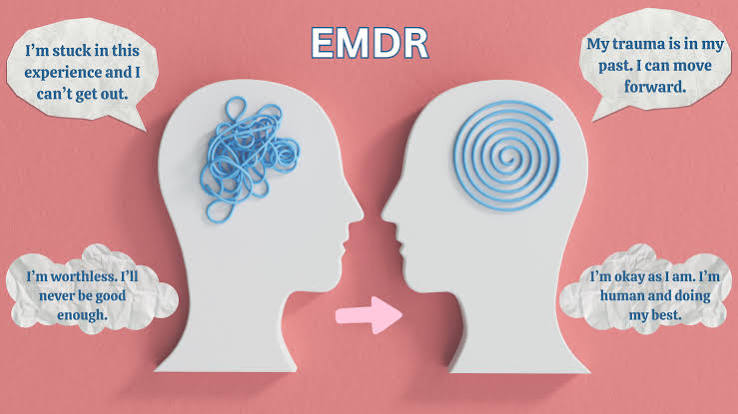

Eye Movement Desensitization and Reprocessing (EMDR) is an evidence-based psychotherapy approach that helps individuals process difficult, distressing, or traumatic experiences.
Sometimes, experiences from our past can continue to affect how we think, feel, and respond to situations in the present. These experiences can contribute to anxiety, depression, low self-esteem, relationship difficulties, and patterns of behavior that feel difficult to change.
EMDR helps the brain process these experiences so they no longer carry the same emotional weight. While EMDR was originally developed to address trauma, it can also help individuals work through everyday experiences that have had a lasting emotional impact.
EMDR is available at Katie Walker Counseling for both teens and adults.

“EMDR is proving to be the silicon chip of psychotherapy; it allows people to process incredible amounts of material in a shockingly short time.”
-Michael Elkin, Ph.D., Director, Center for Collaborative Solutions

Kara Ratcliff: Our EMDR Expert
How it works
Our brains naturally work to process experiences and store memories. However, when something particularly distressing happens, the brain may not fully process the memory. Instead, it can remain emotionally charged, making it feel as though the experience is still happening.
EMDR uses a structured therapeutic approach to help the brain reprocess these memories and develop healthier connections and perspectives.
During EMDR, your therapist guides you in briefly focusing on a difficult memory or experience while using bilateral stimulation. This may include:
Eye movements: Following your therapist's fingers or another visual target from side to side.
Tapping: Alternating gentle taps on the left and right sides of the body.
Auditory stimulation: Listening to alternating sounds through headphones.
These techniques help support the brain's natural information-processing system. Over time, distressing memories may feel less emotionally overwhelming, helping you develop more helpful beliefs and responses.
What to expect in a session
EMDR is a structured process that moves at a pace that feels comfortable and appropriate for each individual. You do not have to jump straight into discussing difficult experiences.
A typical EMDR treatment process includes:
1. Getting to Know You
Your therapist will learn about your experiences, concerns, and goals for therapy. Together, you'll identify areas you'd like to work through and determine whether EMDR is a good fit.
2. Preparation and Building Coping Skills
Before processing difficult memories, your therapist will help you develop tools to manage emotions, stay grounded, and feel safe throughout the process. You'll also learn what to expect during EMDR.
3. Processing Experiences
With your therapist's guidance, you'll briefly focus on a selected memory while engaging in bilateral stimulation. You may notice changes in thoughts, emotions, or physical sensations as your brain works through the experience.
4. Developing Healthier Perspectives
As processing continues, the goal is for distressing memories to feel less overwhelming and for more positive, helpful beliefs about yourself to take their place.
5. Moving Forward
Your therapist will continue to check in on your progress, address any remaining distress, and help you apply what you've learned to present-day situations and future experiences.
Every person is different, so the number of sessions and pace of treatment will depend on your individual needs.

Benefits of EMDR Therapy
Processing difficult experiences: Work through traumatic or distressing memories that continue to affect you.
Reducing anxiety and emotional distress: Develop a healthier response to situations that trigger difficult emotions.
Building self-esteem: Challenge negative beliefs about yourself and develop a more positive self-image.
Improving relationships: Explore experiences and emotional patterns that may affect how you connect with others.
Working through feelings of abandonment: Process experiences that contribute to fears of rejection, disconnection, or insecurity.
Changing unhelpful patterns: Understand and work through reactions and behaviors that feel difficult to break.
Feeling more emotionally balanced: Reduce the emotional intensity associated with past experiences and feel more present in your everyday life.